It's a Tuesday morning, and the clock is ticking down to the start of another busy workday. As I shuffle through my small apartment, I grab my reusable bags from the hook by the door, ready for a quick grocery trip before heading to the office. The plan is simple: pick up a few essentials and make it back in time to catch the bus. However, just as I reach for my keys, I realize they’ve drifted to the kitchen counter, buried under a pile of unopened mail. This small detour sets off a chain reaction of delays, pulling me further from my carefully planned routine.
With the keys finally in hand, I dash out the door, but a quick glance at my wallet reveals another hiccup: my laundry card is missing. It’s a small detail, but it’s one that derails my intentions for the day. Each interruption, whether it’s searching for misplaced items or dealing with unexpected errands, chips away at the intentional choices I set out to make. The friction of these small admin tasks disrupts the flow of my morning, transforming a straightforward grocery run into a scramble that leaves me feeling disorganized and frazzled before I even step outside.

The Morning Rush and a Full Agenda
The sun barely peeks through the blinds as I prepare for a hectic morning filled with errands before work. My reusable bags hang from the hook by the door, a visual reminder of the grocery trip I need to squeeze in. With the clock ticking, I grab my laptop bag and a quick glance at the kitchen table reveals a chaotic spread of items that need to be organized. I can’t afford to waste time, so I quickly check my list on my phone, mentally mapping out my route.
As I step out, the familiar jingle of my keys echoes in the hallway, but they’re not in my pocket where I expect them to be. Instead, they’ve somehow migrated to the small dish by the door, buried beneath a couple of receipts. This momentary pause feels like a minor setback, yet it disrupts the rhythm of my morning. With the keys finally in hand, I remind myself to double-check for the laundry card before I leave, but the wallet feels lighter than usual. I realize I’ve forgotten it on the counter, yet another small task that pulls me away from the intentional choices I had planned for the day. Each interruption, from misplaced items to last-minute checks, chips away at my intended flow, making the morning feel more like a scramble than a well-orchestrated routine.
When Keys Go Missing: The First Slip
The morning light filters through the kitchen window as I prepare for a packed day ahead. I’ve lined up my errands, each one crucial to keeping my week on track. But as I grab my reusable bags from the hook by the door, I notice the familiar jingle of my keys is absent. Instead of being in the pocket of my jacket, they’ve slipped into the cluttered dish on the counter, lost beneath a pile of mail and a few stray receipts. This small moment of disorganization sets off a chain reaction that derails my carefully planned morning.
Frantically, I sift through the mess, feeling the clock tick away precious minutes. The laundry card, which I meant to double-check before heading out, is nowhere in sight. I had placed it in my wallet the night before, but in the rush of packing my bags and grabbing my phone, I skipped that final check. Each second spent searching for my keys is another second added to my commute, pushing my schedule further off track. Instead of a smooth transition into my day, I’m now racing against the clock, feeling the weight of each errand looming larger.
Once I finally locate the keys, I grab my bags and rush out, but the delay has already shifted my mindset. I had intended to approach my errands with intention, but now I’m merely reacting to the time crunch. The first slip has transformed my morning from a series of deliberate choices into a frantic scramble, making it harder to stay aligned with my goals for the day.
A slightly different version of this problem appears in Apartment Living Tips Us, where the sequence changes but the hidden drag feels familiar.
Why Small Tasks Create Big Disruptions
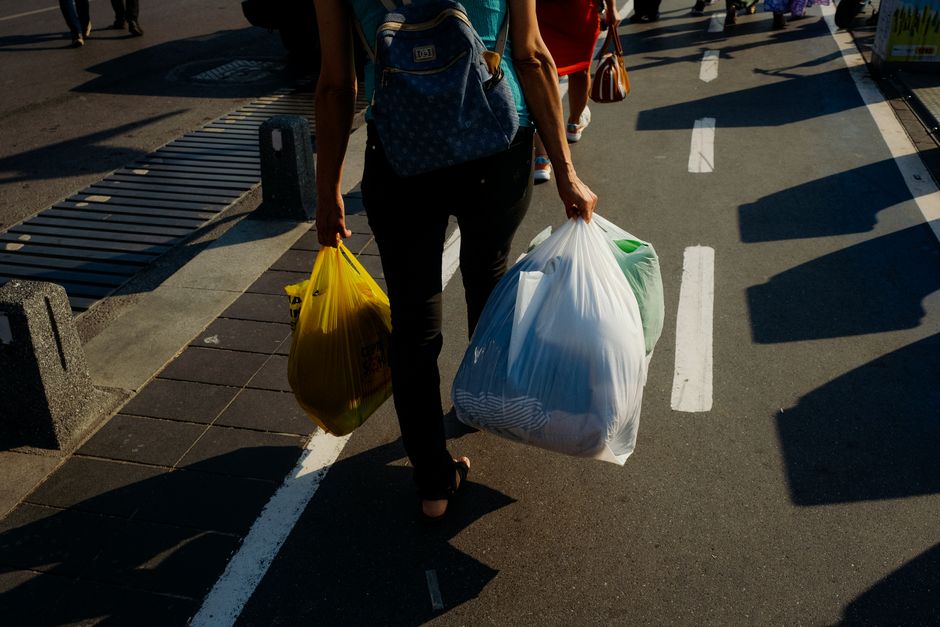
On a typical weekday morning, I plan to tackle a few errands before heading into work. My reusable bags hang neatly on their hook by the door, ready for a quick grocery trip. However, the moment I step into the hallway, I realize I can’t find my keys. Instead of a smooth start, I’m now faced with a frantic search through the clutter on my kitchen counter and the small table by the door. Each misplaced item feels like a tiny barrier, pulling me further from my original goal of intentional living.
In the midst of my search, a notification buzzes on my phone, drawing my attention away from the task at hand. I check it, thinking it’ll only take a moment, but I lose track of time. This distraction shifts my focus from the errands I intended to complete to reactive problem-solving. I remember that I need to check the laundry card, but it’s not in my wallet. I had meant to put it there last night, but that final step slipped my mind, buried under the urgency of the moment. Suddenly, my morning is no longer about deliberate choices; it’s about scrambling to regain control.
As I finally grab my bags and keys, I realize that good intentions alone aren’t enough. The hidden step of checking my wallet before leaving has cost me precious time, and now my errands feel rushed and disjointed. I can’t help but think about the tradeoff: by not taking a moment to ensure I had everything in order, I’ve sacrificed the intentionality I aimed for. The day starts to feel like a series of reactive decisions rather than a well-planned sequence of actions, and the friction of these small tasks continues to derail my intentions.
Reorganizing the Errand Sequence
Setting a designated spot for keys near the reusable bag hook can significantly reduce the friction of misplaced items. Every time I return home, I hang my bags on the hook and drop my keys into a small dish right beside it. This simple adjustment creates a consistent routine that eliminates the last-minute scramble to find my keys when I’m rushing out the door for errands. I’ve also started keeping a small checklist on my phone for what I need to grab before leaving the apartment. This way, I can quickly reference it while I’m packing my bags.
During a typical weekday morning, I often find myself glancing at my watch, aware of the ticking clock as I prepare for my commute. If I forget to check my list, I might leave out essential items like my laundry card. I’ve learned that a quick glance at my checklist while I’m grabbing my bags can save me from unnecessary backtracking. By shifting my focus to this small sequence change—checking my list right before I head out—I can keep my errands organized and intentional. It’s a small adjustment, but it makes a noticeable difference in how smoothly my day unfolds.
A Quick Checkpoint to Stay on Track
As I stand by the door, ready to head out for errands, I can’t help but notice the reusable bags hanging on their hook, a constant reminder of my commitment to intentional living. Before I step out, I take a moment to do a quick mental inventory of my essentials. My laundry card, which I often forget, is tucked away in my wallet, but I need to ensure it’s there before I leave.
In this bustling weekday moment, I glance at a small note taped to the doorframe. It reads: "Check keys, wallet, laundry card!" This simple reminder acts as my checkpoint, helping me avoid the frustration of backtracking to find my keys, which often drift to various surfaces in my apartment. I reach for my bag, feeling for the familiar outline of the laundry card in my wallet, and I can already sense the relief of knowing I have everything I need.
By integrating this small but effective practice into my routine, I can keep my errands organized. The act of checking my bag before I leave has become a seamless part of my sequence, allowing me to maintain focus on my intentional choices throughout the day. This quick check not only saves time but also reinforces my commitment to living intentionally, even amidst the chaos of city life.
What Gets Easier in the Next Time Block
This same friction shows up again in Navigating Busy City Life, especially when the day tightens unexpectedly.
Before heading out for the day, I pause at the door, eyeing the reusable bag hook where my bags hang. The bags are ready, but the lingering thought of the laundry card not being in my wallet creeps in. It’s a familiar friction point that can derail my errands if I don't check now. I reach into my pocket and pull out my wallet, flipping it open to confirm the card is there. This quick action saves me from a potential detour back home, keeping my errands streamlined.
As I step outside, the crisp morning air hits me, and I mentally map out my route. I know I need to hit the grocery store first, then drop off a package at the post office. The act of confirming my wallet contents before I leave creates a smoother transition into my commute. I can focus on the city block ahead rather than worrying about whether I’ll need to backtrack. This small adjustment—checking my bag and wallet—makes the next part of my day feel more manageable, allowing me to maintain my intentional living choices even when errands pile up.
As I finish my grocery trip and head back home, I notice my keys have migrated to the kitchen counter instead of staying by the door where they belong. This small shift can lead to a frustrating search next time I’m rushing out. I take a moment to return them to the hook by the door, reinforcing that simple habit. It’s a tiny action, but it prevents future friction points that could disrupt my flow when I’m trying to stick to my planned errands.
Before stepping back into my apartment, I glance at the reusable bags hanging on the hook. I remind myself to check them before leaving for my next outing. This simple act—ensuring my bags are ready to go—helps me maintain my intentional choices, even on busy weekdays. By anchoring these small tasks in my routine, I can keep my errands organized and my intentions clear, making it easier to navigate the daily life in the city.